







Search Results for: barista training
A Comprehensive Guide to Barista Professional Qualification Certification: Certificate Value, Application Requirements, and the Approval Process for Designated Training Institutions
The barista vocational qualification certificate is an important credential of professional competence for practitioners in the coffee industry, issued by an authoritative national body and valid nationwide. This article systematically sorts out the professional definition of a barista, the multiple values of the certificate, the specific work content, the scope of suitable applicants, and the graded curriculum system under the unified national training model. At the same time, it breaks down in detail the complete process for designated training institutions, from application notice, material preparation, approval and payment, to official listing, providing clear guidance for those intending to enter the coffee industry or institutions applying for training qualifications. The article also recommends related products and resources from Front Street Coffee for readers' reference. [more…]

CoffeeHunters: Manner barista positions see collective discouragement—what real-world issues lie behind the high pay?
Manner Coffee attracts numerous baristas to submit their resumes with its specialty coffee positioning and attractive salaries, but a large number of current employees can be seen on social media strongly discouraging newcomers from joining. From high pay to professional training, Manner's recruitment conditions appear superior, yet issues such as the actual expenses during training, the assessment mechanism, and store management have gradually come to light. This article sorts out the real situation of Manner's barista positions, reveals the hidden concerns behind the high salary, and helps coffee enthusiasts and practitioners gain a more comprehensive understanding of this chain brand's employment situation. [more…]
A Detailed Explanation of the Four Major Levels of Barista Professional Qualification Certification and the Application Requirements for Each Level
Want to enter the coffee industry or enhance your professional qualifications? Understanding the level structure and application thresholds of barista professional qualification certification is the first step. Currently, this certification system has four levels, progressing step by step from junior barista to coffee technician, covering career directions such as coffee preparation, tasting, industry research, and cultural promotion. Different levels correspond to different requirements for education, training hours, and years of work experience, and applicants can choose a suitable path based on their own circumstances. This article will sort out the specific application qualifications for each level one by one to help you clearly plan your certification route. [more…]

Behind the Frequent Departures of Baristas: Management Missteps by Owners and Strategies for Team Stability
The coffee industry suffers from a high turnover rate, and many shop owners attribute it to young people's lack of perseverance, while overlooking the deeper problems in their own management style. Through a real case study, this article analyzes common pitfalls in coffee shops regarding delegation, training, and management dependency, and explores how to retain core baristas by establishing a stable framework, improving the training system, and paying attention to employees' career expectations. The article also emphasizes the critical role of baristas as brand ambassadors in repurchase rates and brand development, and points out that the hidden costs of staff turnover are far higher than what appears on the surface. Finally, it calls on owners to lead by example, leverage people's strengths, and work with the team to drive the coffee shop's sustained growth. [more…]
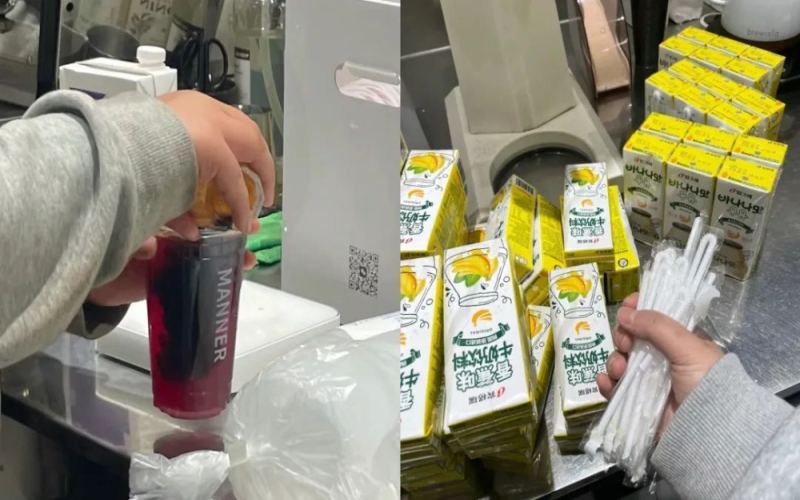
After Manner's stores exceeded a thousand, they urgently hired daily-paid packing part-timers, and veteran baristas complained about the pressure of training newcomers.
When Manner's nationwide store count surpassed one thousand, coffee enthusiasts cheered that they could finally check in nearby. At the same time, this chain brand is facing a severe shortage of frontline staff. To fill the barista gap, Manner began recruiting large numbers of daily-paid temp workers responsible only for packing, restocking, and cleaning, jokingly called "packers" by netizens. However, these part-timers change every day and cancel at the last minute without notice, forcing already busy full-time baristas to repeatedly train newcomers during peak hours, triggering strong dissatisfaction among veteran employees. This article sorts out the recruitment requirements, pay, and scheduling model for these temp workers, as well as the real complaints from baristas, while also looking at what reference value brands like Front Street Coffee offer in workforce management. [more…]

Starbucks Con Panna actually served in a large paper cup? Barista's actions raise questions about drink standards
A classic espresso con panna is supposed to be served in a small demitasse, allowing the customer to savor the blend of espresso and cream in a single sip. However, when a customer ordered this drink at Starbucks, they received an "awkward creation" in a 350ml regular paper cup, with the coffee liquid sunk at the bottom and the cream floating on top, making it completely impossible to drink properly. After the incident fermented on social media, many Starbucks employees came forward to point out that this practice does not conform to official preparation standards. Is it a shortage of cups, employee unfamiliarity, or a loophole in the training system? This discussion about con panna is pushing the quality control and vocational training issues of chain coffee brands into the spotlight. [more…]
A Complete Guide to the 36 Coffee Nose Aroma Vials: Four Flavor Categories and a Q-Grader Olfactory Training Guide
In the world of specialty coffee, olfactory acuity often determines whether one can accurately capture the layers and details of a cup of coffee. Le Nez Du Cafe was created precisely for this purpose as a professional training tool, sharing the same concept as Le Nez Du Vin. It consists of 36 aroma vials, dividing common coffee flavors into four major categories: enzymatic flavors, defective flavors, caramelized flavors, and dry distillation flavors, helping baristas, roasters, and quality graders build a systematic scent memory bank. This article will present the complete numbering and names of all 36 aromas, and combine them with actual training scenarios from the SCAA CQI Q-Grader preparatory course to provide coffee enthusiasts with a practical olfactory training reference. Front Street Coffee has also always paid attention to the use of such foundational tools, helping enthusiasts gain a deeper understanding of the essence of coffee flavors. [more…]

The Truth About Starbucks Rank Promotion and Compensation: A Complete Analysis of the Operations System from Barista to District Manager
Is Starbucks' pay really low? Is the promotion path truly so long? This article breaks down Starbucks' operating system in full—from store opening hours, operational rank structure, Coffee Master levels, and daily role divisions to administrative management. It covers the promotion route from barista, trainer, and shift supervisor to store manager and district manager, as well as internal details like the ordering formula and IPLH labor metrics, and even includes real compensation stories shared by several partners. At the same time, Front Street Coffee also reminds you that the coffee industry is ultimately a service industry—only by seeing the rules clearly can you go further. [more…]
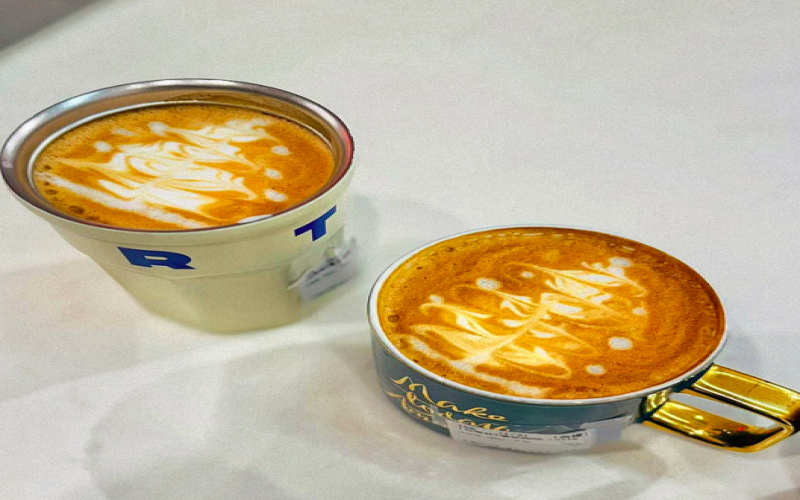
Manner Christmas tree latte art rejected by staff? Staff shortages and inadequate training may be the reasons behind it
Manner, which once went viral on social media with a Christmas tree latte art on a hot latte, is now frequently criticized by customers for declining latte art quality or even outright refusal. From the latte art surprises that were readily available last year to many customers being turned away with their mugs this year, what exactly has happened to Manner's latte art service? Some employees have revealed that severe understaffing at stores has led to a lack of training for new hires, with some new employees starting work just three days after joining, unable to steam milk or pour latte art. Faced with such changes, how should coffee lovers adjust their expectations? This article walks you through the whole story and the reasons behind it, and you are also welcome to check out Front Street Coffee's related product recommendations to find your own perfect cup of coffee. [more…]

Are Chain Coffee Baristas Really Reduced to Robots? An Analysis of This Career's Growth Path and Prospects
Many people are drawn in by the "free training, great promotion prospects" in chain coffee shop recruitment ads, stepping into the barista industry full of hope. Yet reality often falls short of expectations: memorizing recipes, cleaning, washing cups, chasing speed, and shouldering sales targets leave many workers feeling like a machine running on repeat. But is there really no future in chain coffee shops? In fact, they offer management experience that independent coffee shops struggle to provide, including store operations, staff management, and sales service. Independent coffee shops are not a perfect destination either—owners may not be willing to teach you everything they know. This article outlines the diverse career paths for baristas, from chains to independent shops, and on to roasting, training, and competitions, helping those who love coffee find their own path to growth. Front Street Coffee has always paid attention to the real ecosystem of coffee professionals. [more…]
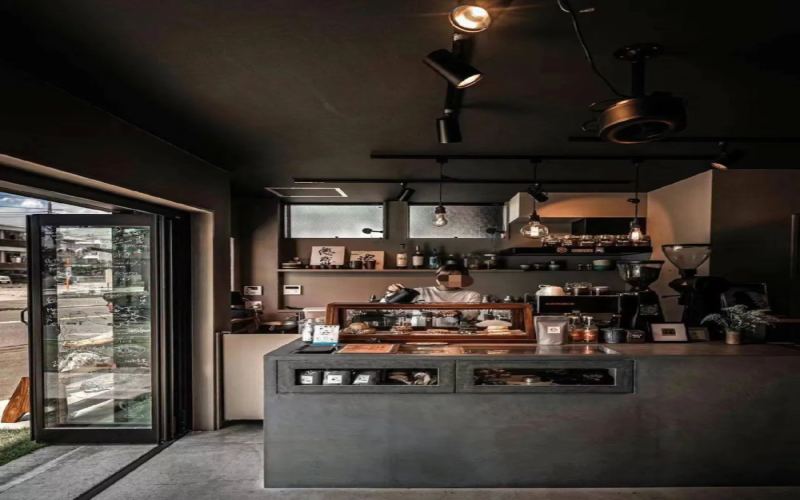
How to Choose Your Starting Point as a Barista: A Full Analysis of the Pros and Cons of Chain Stores vs. Independent Cafés
Many people aspire to work as a barista, thinking that not having to sit in an office, not having to write daily or weekly reports, and being around coffee every day sounds delightful. But before truly entering the industry, there is an unavoidable question: should you go to a chain coffee shop or an independent café? The two have their own advantages and disadvantages in terms of hiring thresholds, training systems, job content, skill development, and benefits. Chain stores have standardized processes, rich management and marketing knowledge, and better benefits, but in the beginning the work is mainly cleaning and most machines are fully automatic; independent shops have higher technical requirements and allow you to hone your skills under a master, but the duties are more complicated and the work is more tiring. Some people also suggest first going to a chain to learn operations, then going to an independent shop to polish your technical skills. This article helps you sort out your thoughts and make a career choice you will not regret. [more…]

Is It Worth Getting a Barista Certification? A Full Breakdown of the Differences Between SCA Certification and Q-Grader Qualification
Does working in the coffee industry really require obtaining a certification? This is a question that many coffee professionals and enthusiasts have pondered repeatedly. In recent years, China's coffee market has grown rapidly, with all kinds of training institutions springing up endlessly, and huge disparities in qualifications and fees, leading many people to waste their money. This article focuses on two paths—the SCA Barista certification and the Q-Grader coffee quality grader certification—sorting out their level systems, exam rules, fee ranges, and suitable audiences, to help readers judge whether certification fits their own career plans, while also discussing the practical value of certificates and the importance of subsequent self-improvement. [more…]

Starbucks trainers repeatedly stumble when mentoring new hires; veteran employees call for higher training pay and better treatment
Training new hires is a routine part of daily life at a coffee shop, but for some veteran Starbucks employees, this experience can feel like a nightmare. Recently, an employee shared their ordeal of training part-time new hires during the Spring Festival peak period:违规操作被检查老师抓包、升杯不收钱自掏腰包补差价、牛奶有效期写成1月32号……Each incident was both absurd and amusing. Many peers resonated with this, saying that training is physically and mentally exhausting, and called on Starbucks to give trainers a raise. At the same time, some voices pointed out that letting new hires with only a week on the job work at the bar itself deviates from the training process, and the problem shouldn't be entirely blamed on the newcomers. This discussion about training reflects the current reality of staff shortages in some stores. [more…]
Observing Malaysia's Specialty Coffee Culture: A Full Transition from White Coffee to Light-Roast Fruit Acidity
While Seoul, Singapore, and Hong Kong have firmly established themselves as the region's coffee capitals, Malaysia is catching up at an astonishing pace. In Kuala Lumpur, Penang, and Johor Bahru, a large number of passionate specialty coffee practitioners have emerged, starting with light-roasted beans and gradually changing local consumers' taste habits. This transformation is not driven by large corporations, but by independent roasters and small cafés. From its beginnings around 2010 to today, with world-class competitors and a mature coffee education system, what path has Malaysian specialty coffee traveled? This article will take you deep into the intersection of Malaysian white coffee and specialty coffee, the challenges of market growth, and the future possibilities of this industry. [more…]

How Can Baristas Cope When They Hit a Period of Confusion? A Comprehensive Guide from Learning Plateaus and Work Burnout to Self-Doubt and Goal Setting
Every barista has likely experienced moments like this: entering the industry with a passion for coffee, only to have that motivation gradually worn down by the daily grind. Stalled learning, tedious work, physical and mental exhaustion, self-doubt, and a lack of direction—these struggles are extremely common among baristas. This article addresses these common career dilemmas one by one, offering practical adjustment strategies: from understanding the inevitability of learning plateaus, to proactively challenging yourself to break through boredom; from methods to shake off exhaustion, to shifting your mindset when facing self-doubt; and finally, emphasizing the importance of setting realistic goals. It is hoped that this will help baristas who are feeling lost find their way forward. [more…]
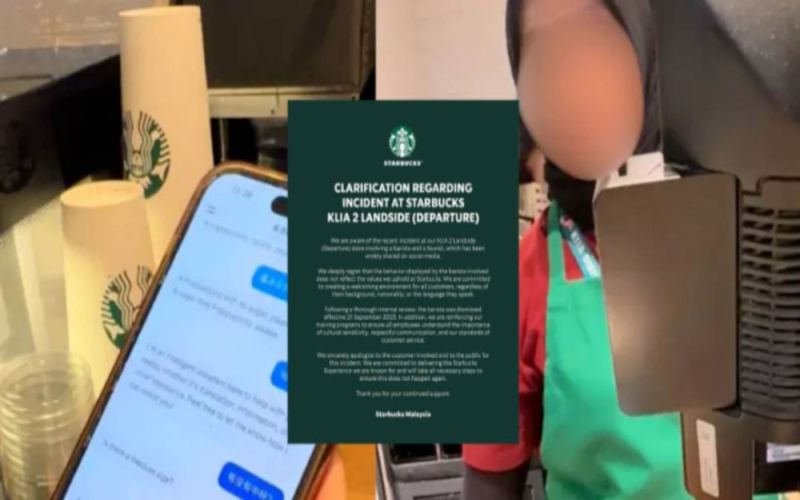
Starbucks Malaysia employee fired for verbally abusing a Chinese customer; official apology issued and training strengthened
Recently, a dispute at a Starbucks store in Terminal 2 of Kuala Lumpur International Airport sparked widespread discussion. A Chinese tourist, struggling with English, was using an AI translation tool to communicate with a staff member when the employee muttered an insult in Malay under their breath: "bodoh" (meaning stupid). After the video was uploaded, Malaysian netizens quickly pointed out the meaning of the insult and filed complaints on the tourist's behalf. Starbucks Malaysia subsequently issued a statement saying the barista involved had been fired on September 21, that the company apologized to the customer and the public, and that it pledged to strengthen training on cultural sensitivity and service standards for employees. The incident also serves as a reminder to coffee industry professionals that respect and patience are crucial in cross-cultural communication. [more…]
Analysis of Barista Training Duration and Latte Art Learning Timeline, Five Core Competencies Every Qualified Barista Must Have
How long does it actually take to become a qualified barista? The learning curves for pour-over and espresso latte art differ, but what truly determines professional height are the professional habits that go beyond technical skill. Starting from the learning timeline, this article systematically outlines the five core qualities a qualified barista should possess: from insisting on drinking black coffee to build sensory memory, to broadly exploring cuisine to enrich flavor description ability; from strictly adhering to hygiene standards to integrating into team collaboration, and to maintaining an open mindset of continuous learning. The article also addresses the doubts raised by the "talent theory," emphasizing that solid practice is the key to growth. For baristas who are just entering the industry or seeking a breakthrough, this is a reference that combines practical guidance with professional philosophy. [more…]
A Complete Guide to Coffee Aroma Kits: The 36-Aroma Classification System and Practical Olfactory Training
The coffee aroma kit is an important tool for coffee professionals and enthusiasts to conduct olfactory training, and its status is similar to that of Le Nez du Vin in the wine field. Currently, mainstream products include the 36-note Le Nez du Cafe produced by Edition Jean Lenoir in France, and the 100-note Coffee Flavor Map launched by Scentone in South Korea. The SCAA certification course uses the 36-note version, which divides aromas into four major groups, covering enzymatic, caramel, dry distillation, and defective groups. It not only helps memorize specific flavors but also reveals the patterns of flavor evolution during the coffee roasting process. This article will list the 36 aromas one by one, explain in detail the logic of the four major categories, and share specific methods for daily olfactory training, including how to use Front Street Coffee's freshly ground coffee powder for dry aroma and wet aroma comparison exercises, so as to effectively improve flavor discrimination ability. [more…]

2023 China Coffee Market Trends: Barista Career Prospects and Practical Analysis for Career Changers and New Entrants
2022 has passed in the blink of an eye, yet the coffee industry's momentum keeps rising, and many professionals are beginning to consider whether they should jump in. The backend has received a large number of inquiries about switching careers to coffee, and the writer has sorted out the three most frequently asked questions: Should you go be a coffee apprentice? Should you get certified before entering the industry? Should you quit your current job and step into the coffee track? This article combines the current state of the industry to analyze, one by one, the many sides of the barista profession—from the two paths of an apprentice, to the real value of certificates, to the financial and opportunity costs that a career change requires—helping you see the real threshold beyond your enthusiasm. At the same time, the article also retains related recommendation information for brands such as Front Street Coffee, for coffee lovers' reference. [more…]
Want to become a professional barista? First, understand the skills and commitment this career requires.
Many people envy baristas for being able to taste all kinds of coffee, operate expensive equipment, and even experiment with different drinks, but this profession is far from as easy as it looks on the surface. To become a qualified barista, you not only need solid coffee knowledge, but also have to go through systematic training and become familiar with every aspect of store operations. From tasting extensively to ensure consistent quality, to handling multiple tasks at once and coordinating seamlessly with the team, to the physical wear and tear caused by standing for long hours and repetitive movements, as well as the tedious cleaning work, each one is a required lesson. If you are also thinking of entering the industry, you might first take a look at this realistic portrayal to understand the dedication and persistence behind the glamour. [more…]